Office of Kansas Governor Laura Kelly
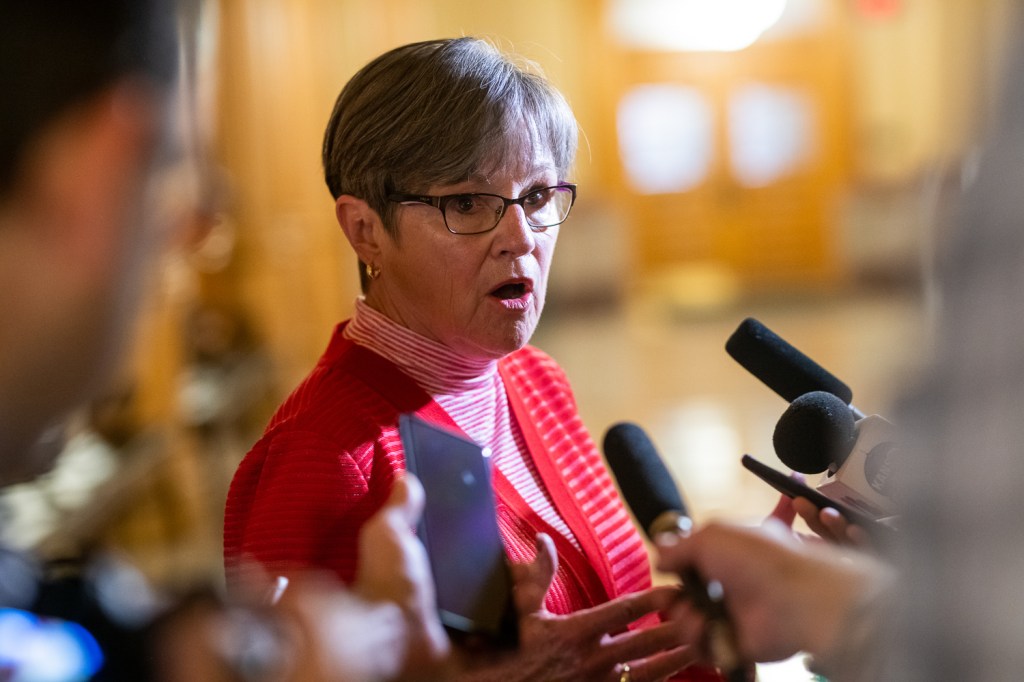
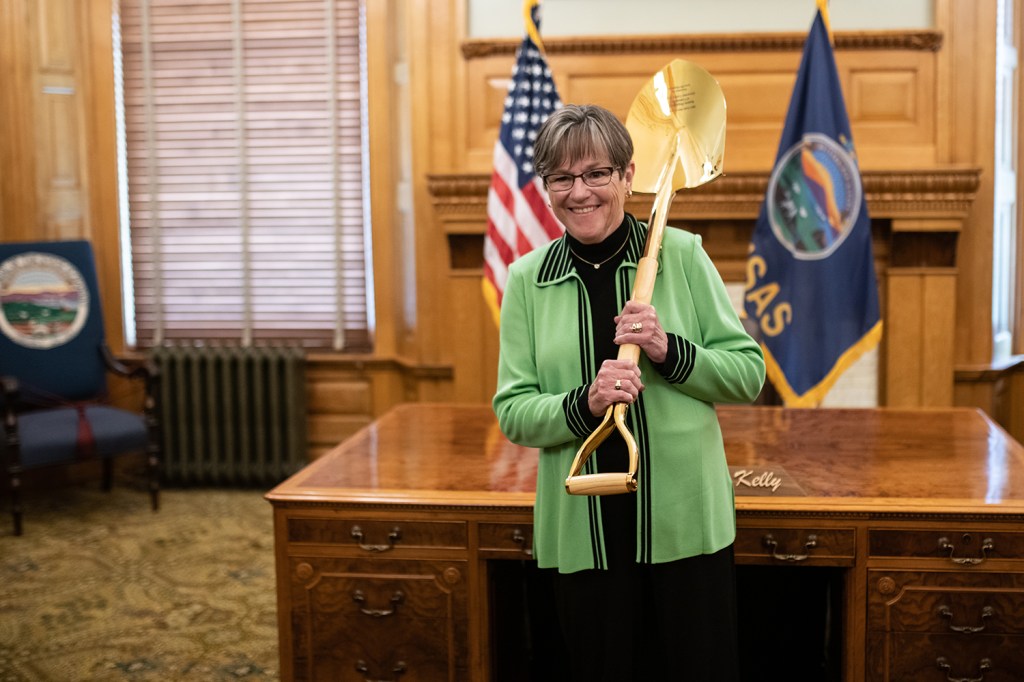
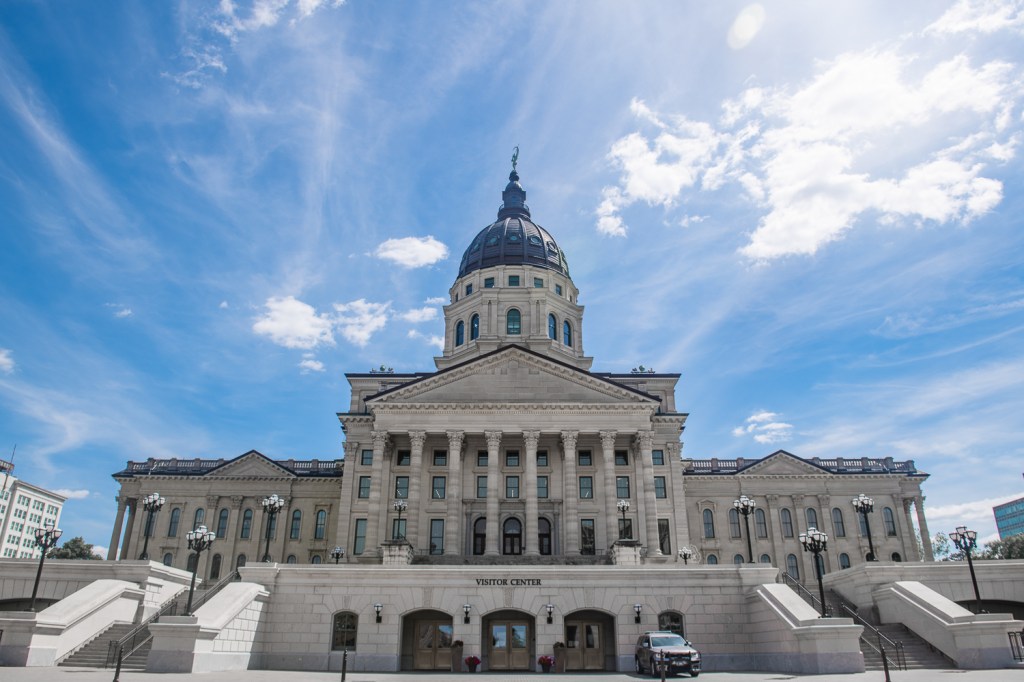
During the summer of 2021, I had the opportunity to work as a communications and legal intern for the office of Kansas Governor Laura Kelly. During my days spent in Topeka inside the State Capitol, I was tasked with many different responsibilities, my favorite being accompanying Gov. Kelly to bill signings, community events and award presentations as her official photographer.
Kelly first entered the world of government in 1988 as the executive director of the Kansas Recreation and Park Association, where she served 16 years before being elected to the Kansas State Senate in 2004 as a Democrat representing Topeka. Over her next four terms where she would be praised for her moderate Democratic beliefs, bipartisan efforts and willingness to negotiate, she worked her way to assistant minority leader and minority whip before announcing her gubernatorial candidacy in 2016. Running as the “Education Governor,” she went on to win a crowded five-candidate primary election with 51.4% of votes before challenging former Secretary of State and Trump ally Kris Kobach in the 2018 general election and walking away as the third female governor of Kansas with 48% of all votes.
Despite a first gubernatorial term characterized by partisan tensions with the legislature and a pandemic, Kelly secured a second term in office during the 2022 midterm elections. Her Republican challenger, Derek Schmidt, served as Kansas Attorney General during Kelly’s first term and consistently created tension between their offices by working with the conservative-dominated legislature to undermine her emergency powers in response to the pandemic, as well as to thwart her administration’s legislative agenda. Kelly defeated Schmidt with 49.2% of all votes compared to his 47.7% in one of the most competitive gubernatorial races of the 2022 midterm elections.






World War II Veteran Visit


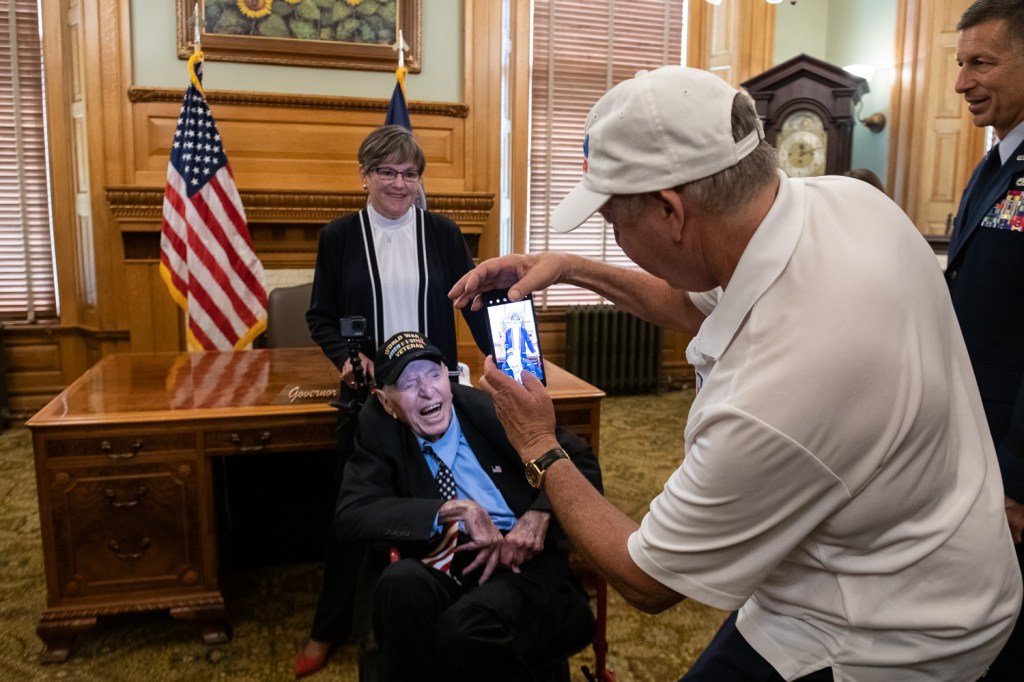

Sidney Walton, a 102-year-old World War II veteran, visited Gov. Kelly in Topeka July 20, 2021. The Kansas Statehouse was Walton’s 39th stop since May on his 50-state, 50-governor tour across the country to raise awareness for veterans and money for the American Nurses Foundation’s COVID-19 response fund. Walton made the choice to dedicate his tour to frontline nurses following his bout with the deadly virus in February.
Walton — who has met some of the world’s most prominent figures, including Presidents Joe Biden, Donald Trump and Barack Obama, the Dalai Lama, Jeff Bezos and Beyonce — served as a corporal and medical technician in the U.S. Army from 1941 until the war’s end in 1945. Walton said he joined to help defeat Adolf Hitler and the Nazis.
The inspiration for the tour is attributed to Walton’s life long regret of missing a chance to meet Civil War veterans in 1939. In an attempt to remedy that regret, Walton and his son, Paul, started on a “No Regrets Tour” in 2018 as a way to provide Americans with a chance to meet a World War II veteran before it is too late.
The meeting between Walton and Kelly began with the exchanging of gifts: a Kansas state flag from Kelly and a coin and baseball cap from Walton. Afterward, the two were escorted outside to the north entrance of the Statehouse where Walton’s tour car was waiting to be shown off to the governor. Various law enforcement officials were present as well.
Bill Signing Ceremonies

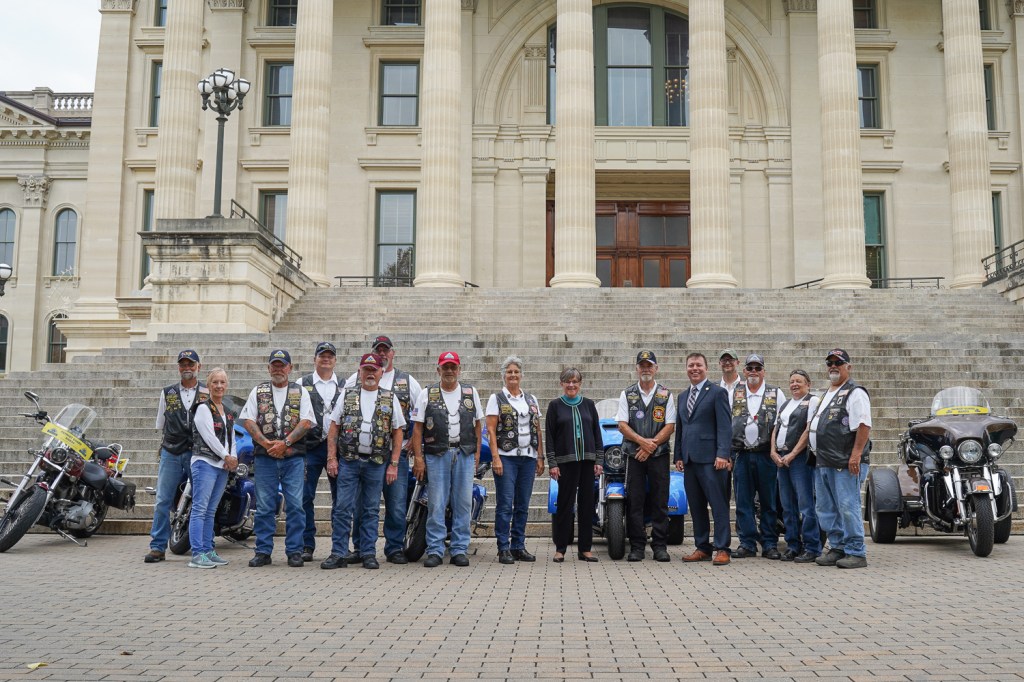
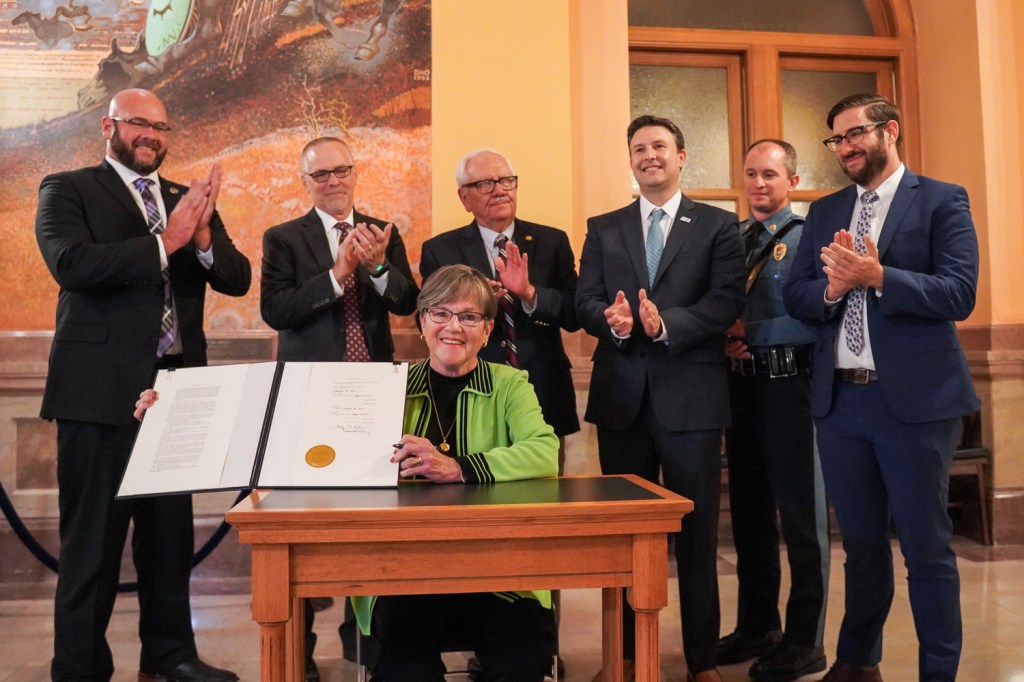
Gov. Kelly met with members of the Patriot Guard Riders outside the Kansas State Capitol before a ceremonial bill signing event June 24, 2021.
The Patriot Guard Riders are a group of military veterans who attend the funerals of fallen service members to shield them from protesters. Following the meeting, Kelly signed Senate Bill 67 — the first state wide law regarding funeral processions and escorts in Kansas — which permits funeral escorts to direct traffic for funeral processions.
Kelly also signed House Bill 2072, providing for the Kansas Corporation Commission to authorize the securitization of certain public utility generating facilities.
Additionally, Kelly announced pardons for three state prisoners and commutations for five others in a rare use of clemency powers granted to the governor under Article 1, Section 7 of the Kansas State Constitution. While the use of these powers is known to carry considerable political risks, Kelly said she was following through on a campaign promise to review the state’s criminal justice system.
“Using the clemency power is not something I take lightly, nor is it the solution to the systemic issues in our criminal justice system,” Kelly said. “Instead, we’ll keep working towards common-sense reforms to save taxpayer money and offer pathways to prevent crime and keep people out of the system in the first place.”
Later in the afternoon, Kelly presided over a Kansas State Finance Council meeting in the old Supreme Court room of the Kansas State Capitol. The council unanimously approved the construction of the state’s first express toll lanes on a Johnson County highway. The project was projected to cost $300 million and was scheduled to begin the following year. The council, composed of leaders from each state legislative chamber, also approved four other proposals.
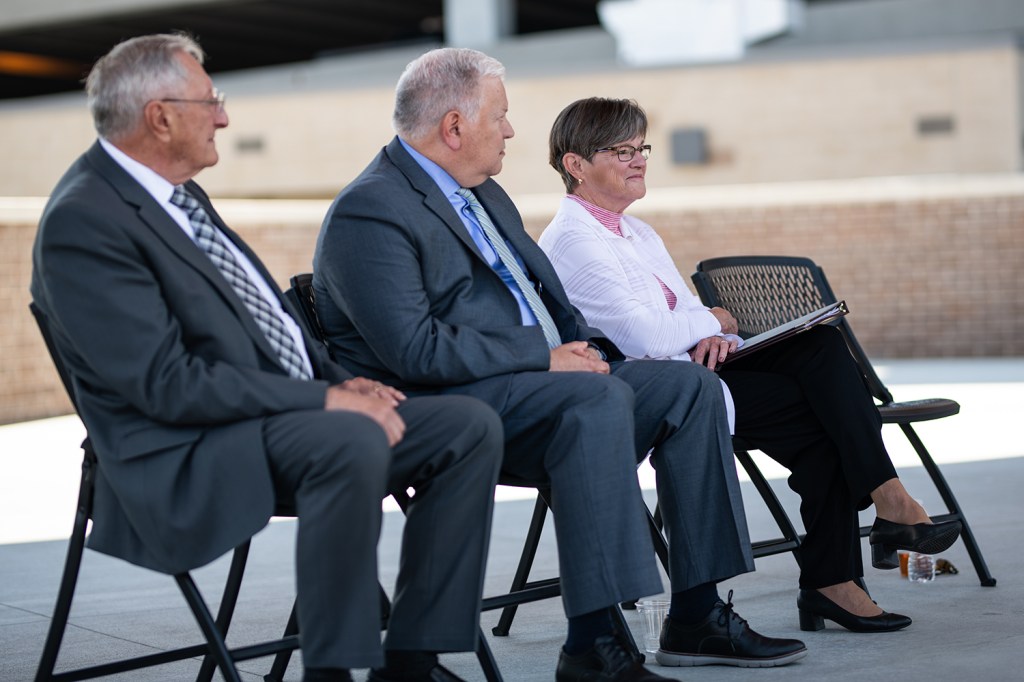
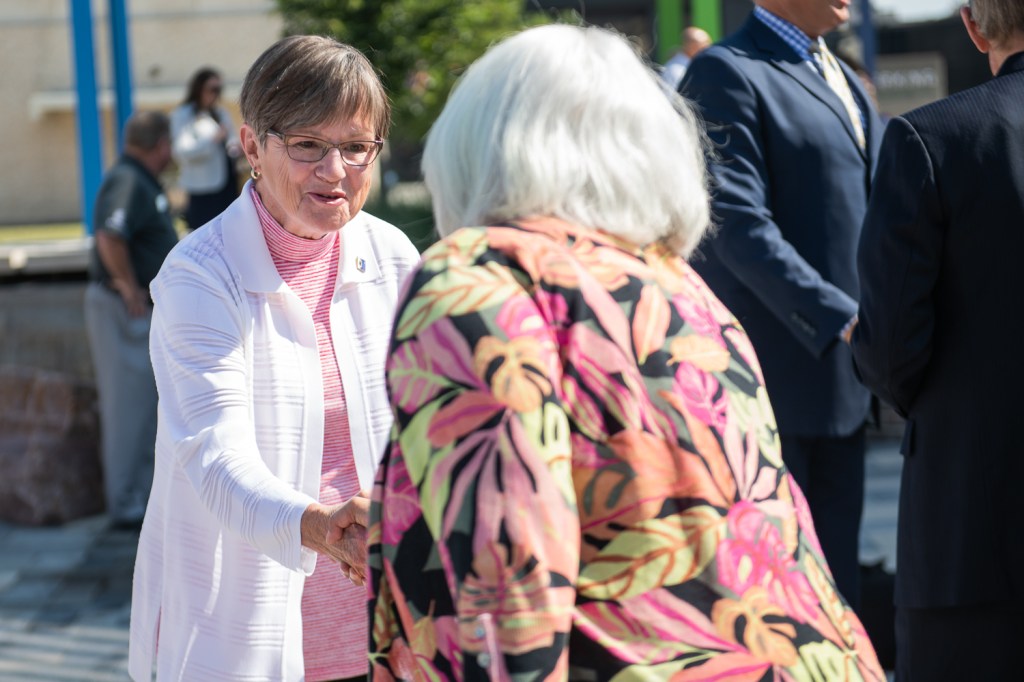
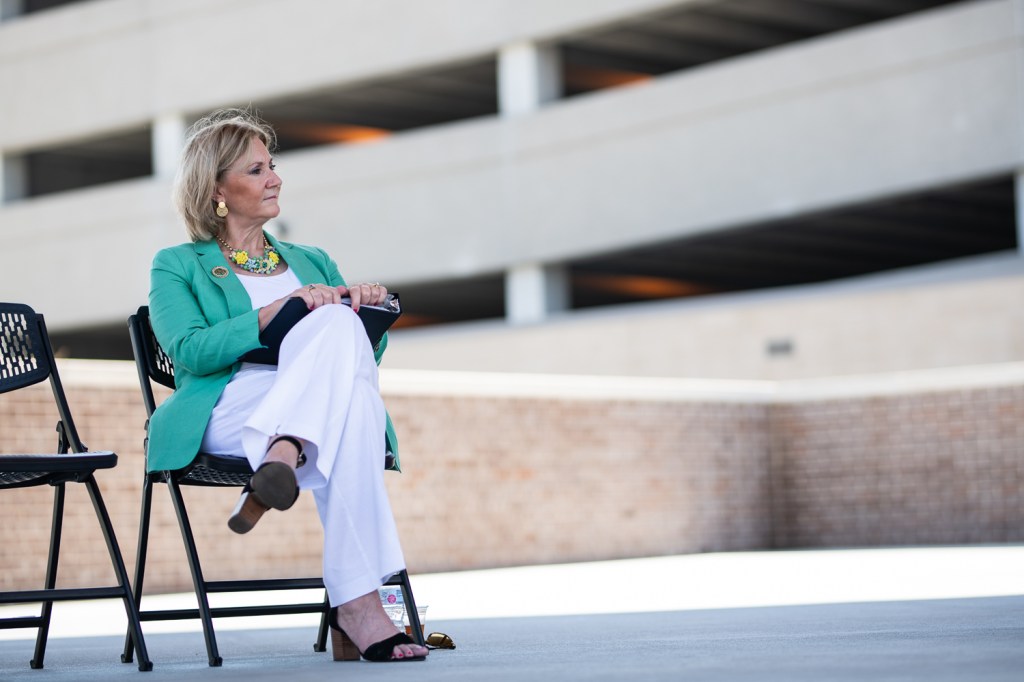
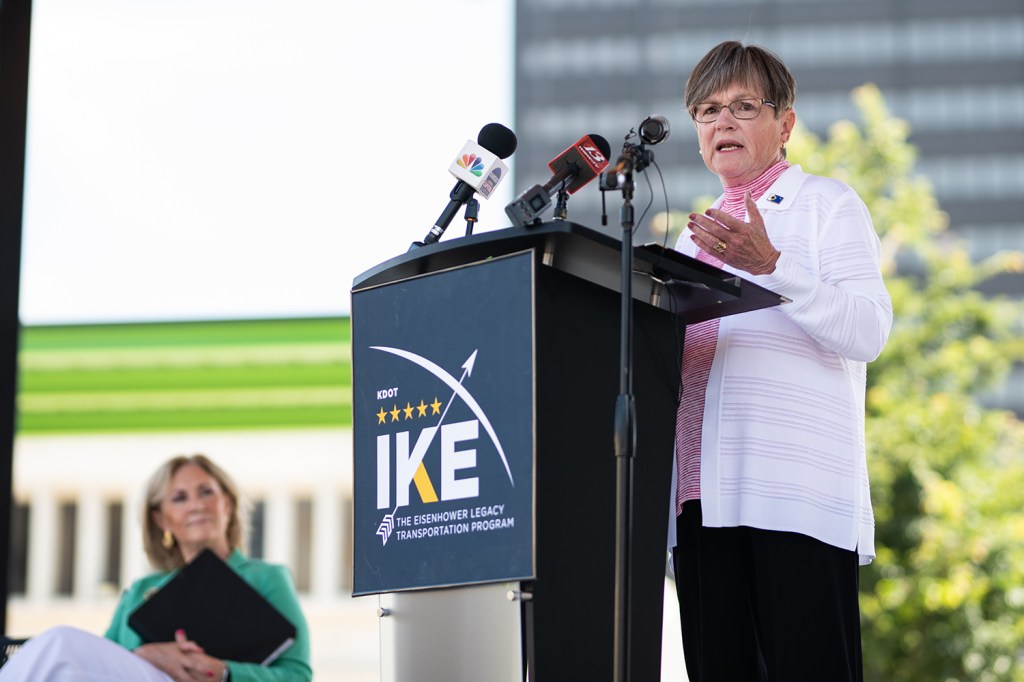
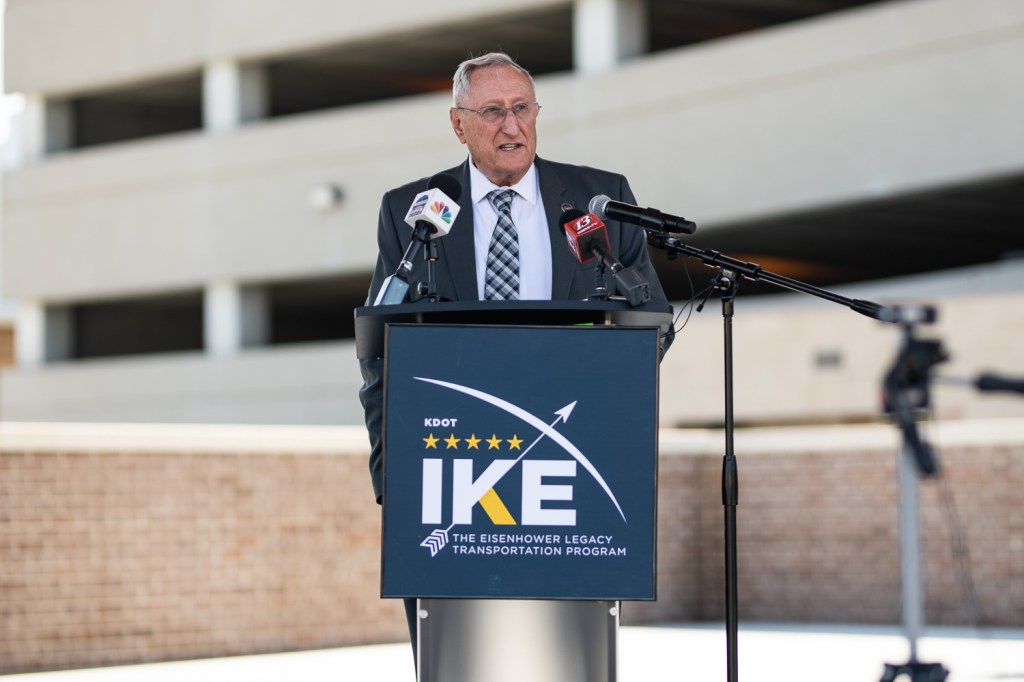
Gov. Kelly announced eight new Eastern Kansas highway projects at Evergy Plaza in Topeka July 8, 2021. State Department of Transportation Secretary Julie Lorenz, Topeka City Manager Brent Trout and Republican State Rep. Richard Proehl presented the plan with Kelly.
The $297 million project was made possible by the IKE Highway program which was passed by the Kansas Legislature in 2020. IKE is a 10-year, $9.9 billion program aimed at creating safer and more efficient roads and supporting economic growth throughout the state.
Kelly made four similar announcements across Kansas this week regarding a total of 24 transportation expansion and modernization projects that will invest more than $776 million back into the state.
“Since day one, we’ve honored our commitment to ending the practice of using infrastructure dollars for projects they were never meant for,” Kelly said. “These 24 projects are further proof that good stewardship of these funds is benefiting our communities, taxpayers and businesses.”
 Lucy Morantz Media